What you're seeing
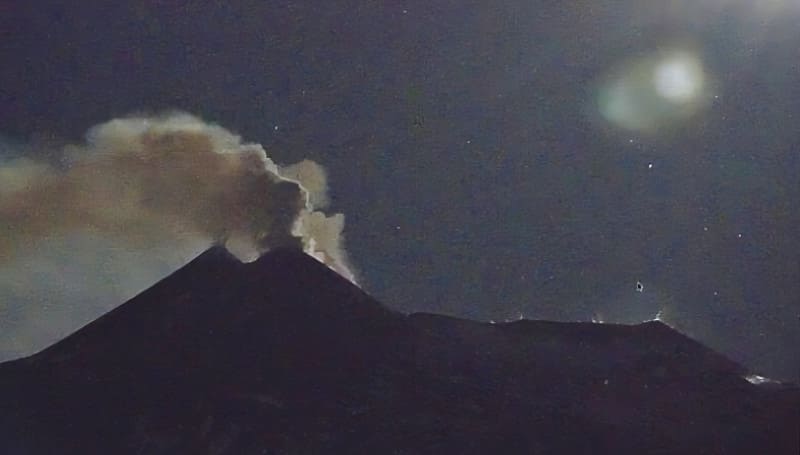
The camera looks at the summit area of Mount Etna — the top of the volcano stands at about 3,400 m — from roughly 12 km away on the eastern side. A quick reading guide from the guide who installed it:
- White, drifting plumes are steam and gas: the volcano's normal breathing, visible almost every day.
- Dark grey or brown columns are ash emissions, typical of more energetic phases.
- A glow at night means visible lava — fountains or flows — and it is the moment everyone waits for.
- Clouds often sit at mid-altitude: if the image is grey, the summit may simply be inside a cloud bank.
Planning a visit? The webcam is the honest way to check summit weather and cloud cover before your excursion — we use it ourselves every morning.
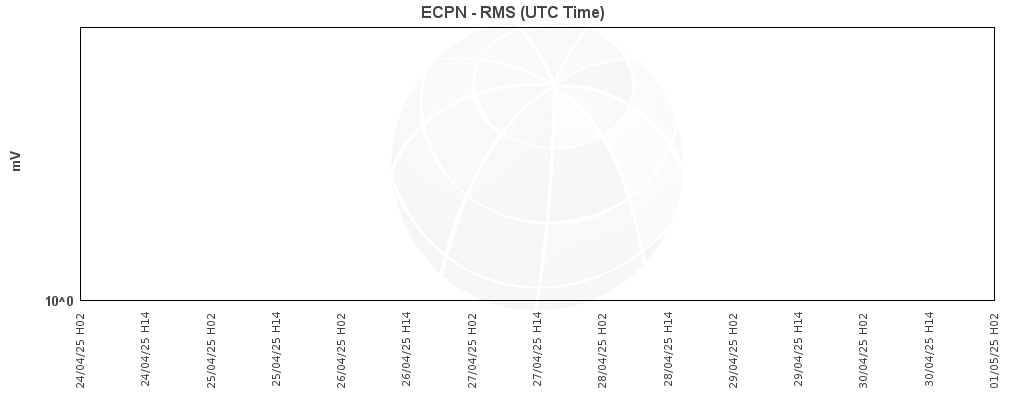
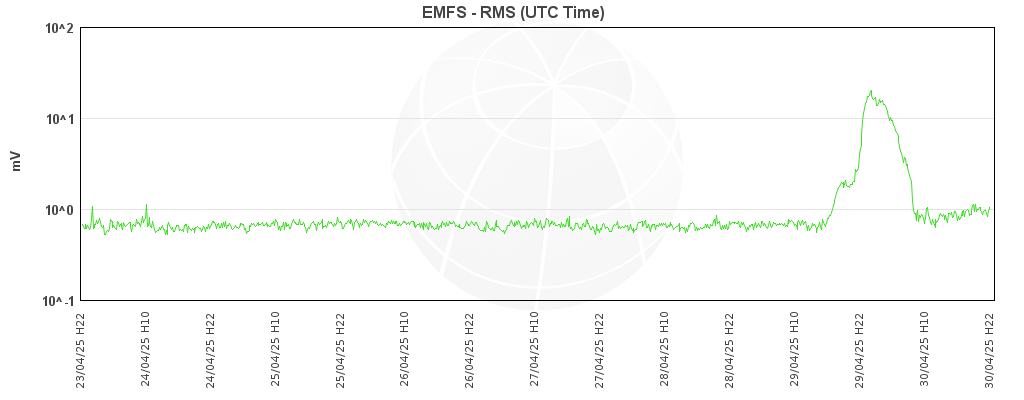
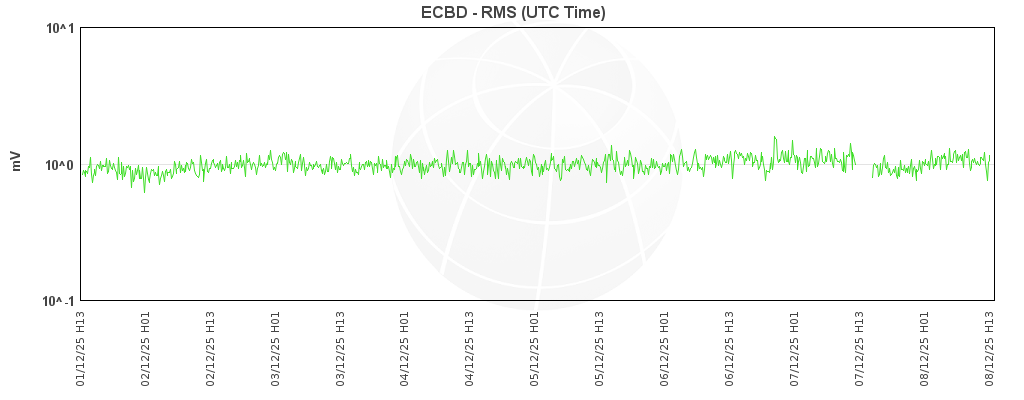
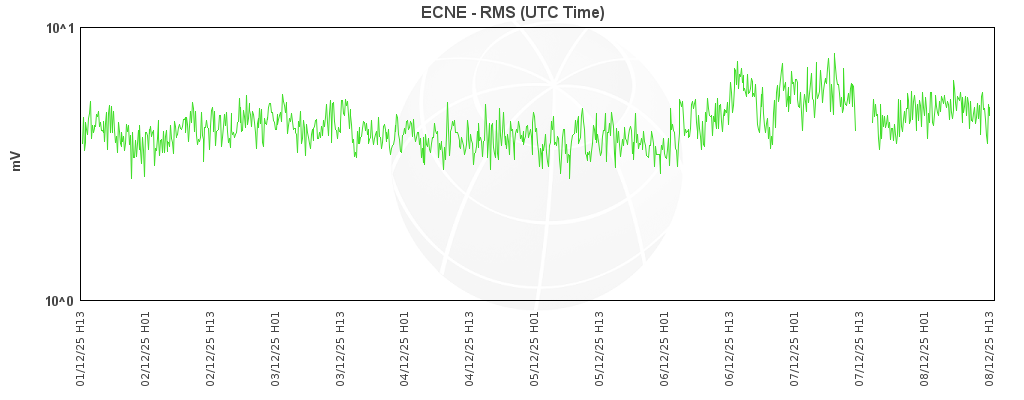
Official INGV volcanic tremor
The volcanic tremor charts below come directly from the INGV — Osservatorio Etneo, the scientific institute that monitors Etna 24/7. We show the official data as-is: for interpretations and alerts, always refer to INGV bulletins.