
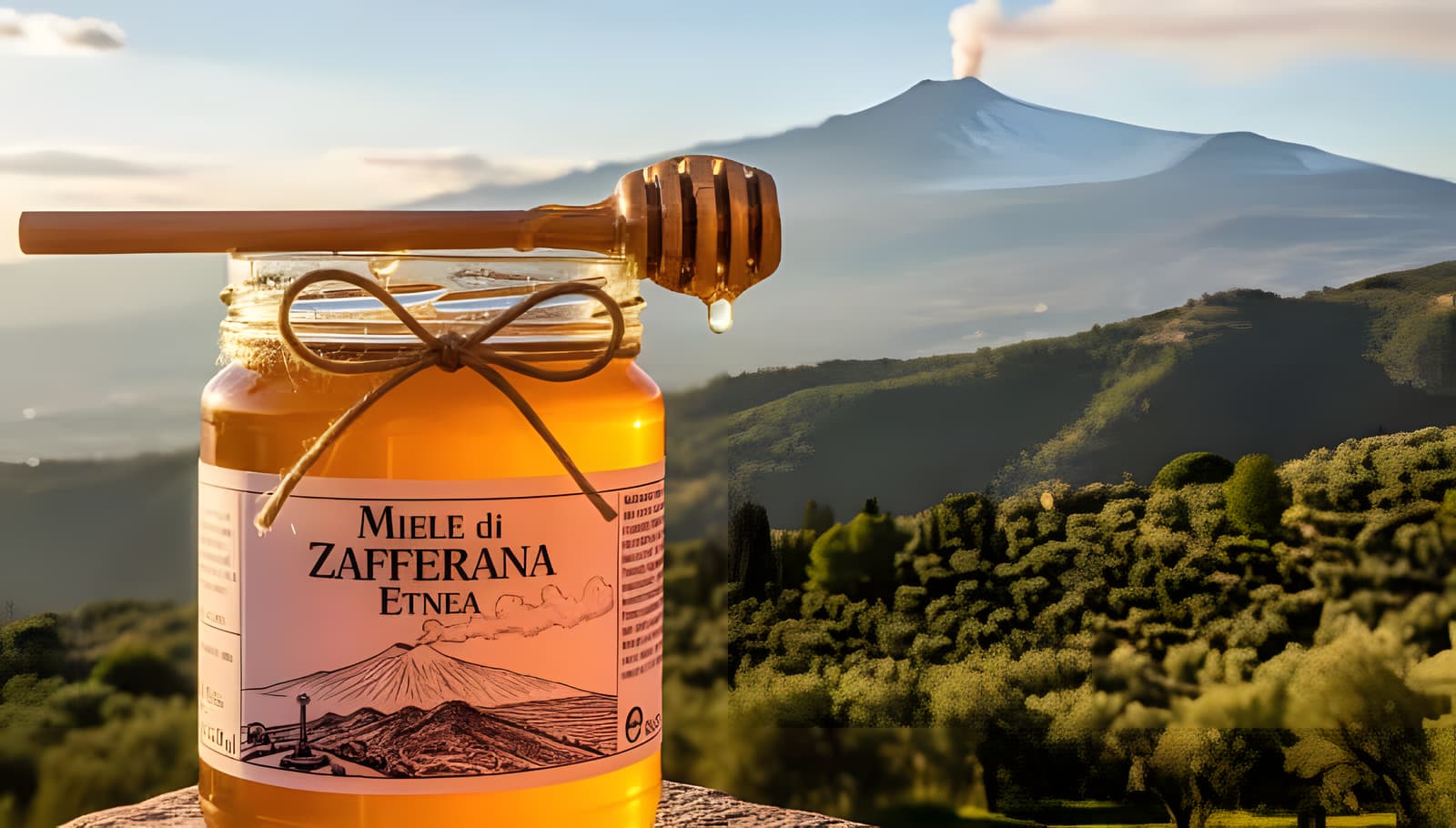
What makes Etna honey unique
Citrus groves, chestnut woods and other flowering plants offer different nectar sources. The honey’s characteristics depend on what the bees collect and how the product is handled; volcanic origin alone does not establish its mineral content or quality.
- Chestnut honey: dark, robust, with a pleasant bitter edge.
- Orange and citrus blossom: light, floral, bright.
- Wild herb and mixed floral: earthy, aromatic, different every season.
A multigenerational craft
Ask the producer where the hives were placed, when the honey was harvested and whether any organic certification applies to that particular product. Visits and tastings should be arranged directly with the apiary.
How to taste and use it
- Drizzled over ricotta, yogurt or fresh fruit
- Paired with local cheeses like ricotta salata or pecorino
- In marinades and glazes, or to sweeten herbal teas
Compare aroma, sweetness, texture and the bitter notes of some varieties. These differences help you explore botanical origins without assuming that minerals pass directly from lava into the flavour.
Where to buy it
Check botanical origin, producer and harvest information on the label. Arrange a visit directly with an apiary or check current opening hours at a shop or market; do not assume all producers accept visitors without an appointment.
Make it a day on the volcano
A honey visit can be planned separately from a mountain excursion. Compare the exact locations, confirmed duration and travel time, leaving a return margin. Our three private mountain programmes do not include apiary or winery visits.
Etna honey — quick answers
What types of Etna honey are available from Zafferana Etnea?
Chestnut (dark, robust, slightly bitter), citrus blossom (light and floral), and wild-herb or mixed floral honeys — depending on the season and the altitude where the hives are placed.
When is the best time to visit for honey tasting?
Ask the producer about the honey currently available and visiting arrangements. Harvest and flowering depend on botanical source, location and the year; there is no universal best month for every variety.
Is Etna honey good for health?
Honey is mainly a source of sugars. Its flavour and composition vary with botanical origin and processing; we do not attribute specific health benefits or therapeutic properties to Etna honey.
How should I store Etna honey?
In a sealed container at room temperature, away from direct heat and sunlight. Crystallization is natural — warm the jar gently to restore the liquid form.